The UK's premium jewellery and collectables valuers

The Sewer Worker Who Discovered the Bank of England's Gold Vault
The enduring power of honesty and the lure of gold
Amber Ali
11/4/20252 min read


Home to an estimated 400,000 gold bars, worth more than £200 billion, the gold vault beneath the Bank of England is one of the most secure places in the world. The gold vault at the Bank of England, established in 1694, is one of the largest in the world, rivalling the United States' Fort Knox.
Buried deep underground, the vault is designed to withstand attacks and natural disasters, featuring walls several feet thick and doors weighing tons.
A Sewage Worker's Discovery
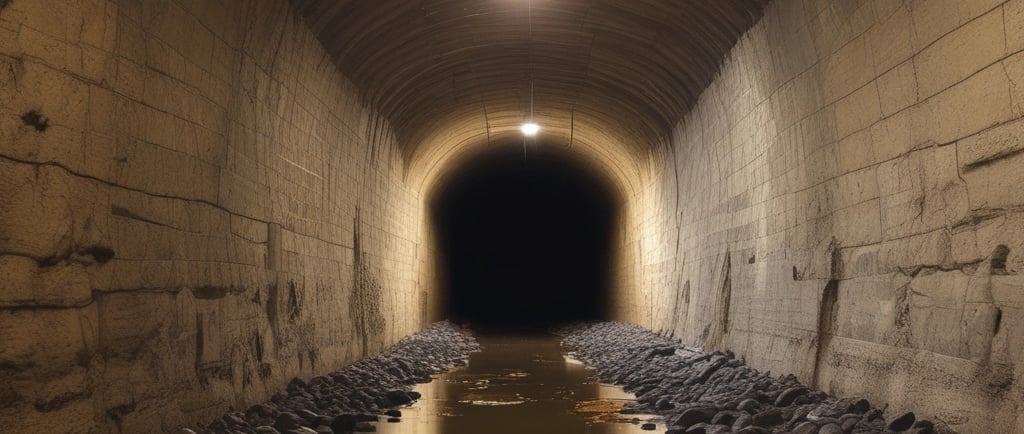
Throughout history, there are stories that stand out for their sheer audacity and curiosity. One such tale unfolds in 1836, when a humble sewage worker inadvertently found himself at the centre of an extraordinary discovery—the hidden tunnel that led into the Bank of England's illustrious gold vault.
The Tunnel to Treasures: Unveiling the Vault
While cleaning the sewers in London, this unnamed worker stumbled upon an old, forgotten passage. Unbeknownst to many, this tunnel was a remnant of a bygone era, potentially linked to the infrastructure beneath the bustling city. As he delved deeper, curiosity turned into a riveting revelation—the worker found that this subterranean route could lead directly to the esteemed gold vault of the Bank of England. Understanding the significance of his discovery, he saw not a pathway for illicit gain but a chance to alert those who were unaware of their potential vulnerability.
The Unlikely Hero:
From Discovery to Reward
Recognizing the importance of his discovery, the sewage worker took a bold step—he composed a letter to the directors of the Bank of England. In this correspondence, he detailed his findings, claiming to have access to the gold. Describing the tunnel entrance and its potential implications for the bank's security, he offered to meet them in the gold vault at an hour of their choosing.
The Directors were finally persuaded to gather one night in the vault. At the agreed hour a noise was heard from beneath the floor and a man popped up through some of the floor boards.
Instead of pursuing a path of crime, he chose honesty, which ultimately earned him respect and recognition. The bank directors were astounded by his revelation and, after a stock take, rewarded him handsomely with £800 for his ethical considerations and for not exploiting the situation. This would be worth about £80,000 in today’s money.
This tale stands as a testament to the virtues of integrity over greed. The sewage worker's actions not only protected the valuable assets of the bank but also highlighted the importance of civic duty and moral fortitude in a rapidly changing world. His legacy lives on, reminding us that sometimes the most profound achievements arise from the most unexpected places.
In conclusion, the story of the sewage worker who found the tunnel to the Bank of England's vault resonates with many lessons. It bridges themes of curiosity, ethical decision-making, and the significant impact that a single individual can have.


Home to an estimated 400,000 gold bars, worth more than £200 billion, the gold vault beneath the Bank of England is one of the most secure places in the world. The gold vault at the Bank of England, established in 1694, is one of the largest in the world, rivalling the United States' Fort Knox.
Buried deep underground, the vault is designed to withstand attacks and natural disasters, featuring walls several feet thick and doors weighing tons.
A Sewage Worker's Discovery
Throughout history, there are stories that stand out for their sheer audacity and curiosity. One such tale unfolds in 1836, when a humble sewage worker inadvertently found himself at the centre of an extraordinary discovery—the hidden tunnel that led into the Bank of England's illustrious gold vault.
The Tunnel to Treasures: Unveiling the Vault
While cleaning the sewers in London, this unnamed worker stumbled upon an old, forgotten passage. Unbeknownst to many, this tunnel was a remnant of a bygone era, potentially linked to the infrastructure beneath the bustling city. As he delved deeper, curiosity turned into a riveting revelation—the worker found that this subterranean route could lead directly to the esteemed gold vault of the Bank of England. Understanding the significance of his discovery, he saw not a pathway for illicit gain but a chance to alert those who were unaware of their potential vulnerability.
The Unlikely Hero:
From Discovery to Reward
Recognizing the importance of his discovery, the sewage worker took a bold step—he composed a letter to the directors of the Bank of England. In this correspondence, he detailed his findings, claiming to have access to the gold. Describing the tunnel entrance and its potential implications for the bank's security, he offered to meet them in the gold vault at an hour of their choosing.
The Directors were finally persuaded to gather one night in the vault. At the agreed hour a noise was heard from beneath the floor and a man popped up through some of the floor boards.
Instead of pursuing a path of crime, he chose honesty, which ultimately earned him respect and recognition. The bank directors were astounded by his revelation and, after a stock take, rewarded him handsomely with £800 for his ethical considerations and for not exploiting the situation. This would be worth about £80,000 in today’s money.
This tale stands as a testament to the virtues of integrity over greed. The sewage worker's actions not only protected the valuable assets of the bank but also highlighted the importance of civic duty and moral fortitude in a rapidly changing world. His legacy lives on, reminding us that sometimes the most profound achievements arise from the most unexpected places.
In conclusion, the story of the sewage worker who found the tunnel to the Bank of England's vault resonates with many lessons. It bridges themes of curiosity, ethical decision-making, and the significant impact that a single individual can have.
Contact us
Follow
office@heritagegandc.co.uk
VAT no. 474 3052 00
Company no. 15744780
Heritage Gold and Collectables Limited ®
© 2025. All rights reserved.




VAT no. 474 3052 00
VAT no. 474 3052 00
3rd Floor, 86-90 Paul Street London EC2A 4NE